Understanding the psychology behind gambling behavior in casinos
The Allure of Risk and Reward
The thrill of gambling often stems from the psychological interplay between risk and reward. Many individuals are drawn to casinos by the promise of winning large sums of money in a short amount of time, a factor that significantly enhances the excitement associated with gaming. This phenomenon is often referred to as the “near-miss effect,” where players experience a sense of urgency and hope when they come close to winning, which can compel them to continue gambling despite previous losses. This mechanism feeds into the human brain’s reward system, leading to increased dopamine release, reinforcing the desire to take risks. You can explore more at nz.pistolocasino.nz, where the varieties of games offer excitement and experience.
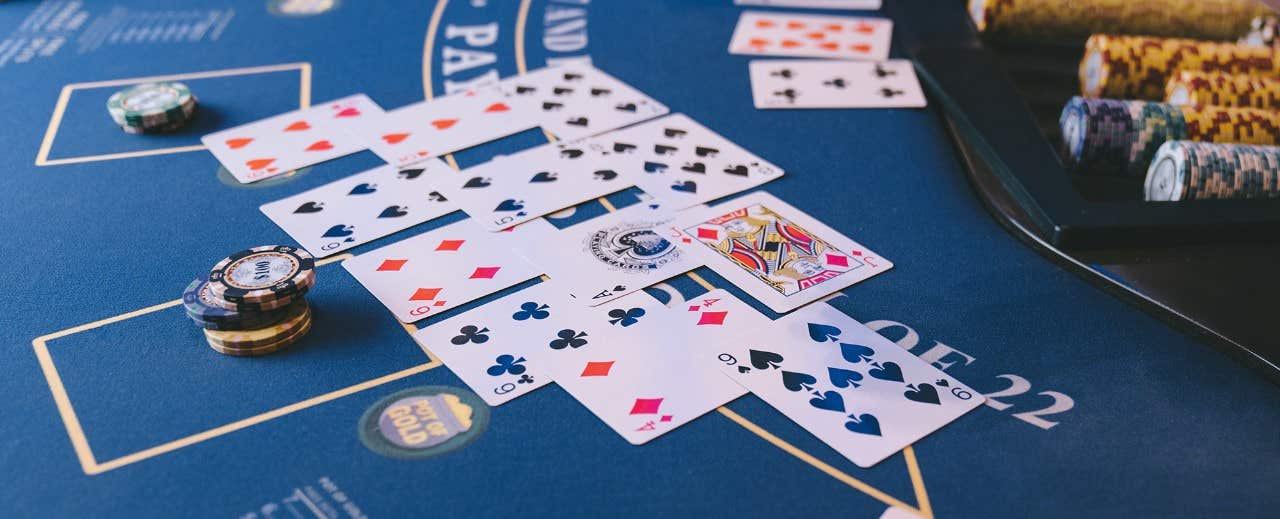
Furthermore, the psychology of intermittent reinforcement plays a crucial role in gambling behavior. Unlike activities that provide consistent rewards, gambling offers unpredictable payouts, making each play a potential victory or defeat. This unpredictability keeps players engaged, creating a cycle of anticipation and excitement. The more uncertain the outcome, the more players are incentivized to return, driven by the hope of eventual success. For many, the allure of a significant payout overshadows the rational understanding of the odds involved, blurring the line between entertainment and obsession.
Moreover, social factors contribute significantly to gambling behavior. Casinos are designed to foster a communal atmosphere, where players can share their experiences and emotions. This social environment creates a sense of belonging and camaraderie, making the act of gambling feel more appealing. Engaging with others, whether through casual conversations at gaming tables or during tournaments, enhances the enjoyment and can lead to a prolonged gambling experience. Ultimately, the combination of risk, reward, and social interaction generates a powerful psychological impetus that influences behavior within casinos.
The Role of Cognitive Biases
Cognitive biases are mental shortcuts that can distort a player’s perception of gambling outcomes. One prevalent bias is the “gambler’s fallacy,” which is the belief that past events influence future outcomes. For instance, if a player witnesses a series of losses, they may feel that a win is “due,” leading to increased bets. This distorted thinking often results in escalating losses, as individuals chase their perceived luck, despite the independence of each game round. The gambler’s fallacy can deeply affect decision-making processes, often trapping players in a cycle of hope and despair.
Another cognitive bias that significantly impacts gambling behavior is confirmation bias, where individuals seek out information that supports their beliefs while ignoring contradictory evidence. For example, a player who believes they are on a winning streak may highlight recent victories while dismissing losses. This selective focus can reinforce positive behaviors, driving players to continue gambling even when the outcomes suggest otherwise. Such biases can cloud judgment, leading to risky decisions that may not align with reality, further compounding the challenges of responsible gambling.
Additionally, overconfidence is a common cognitive bias among gamblers, where individuals overestimate their skill level or understanding of the games they play. This can be particularly dangerous in skill-based games like poker or blackjack, where players may believe they have a strategic advantage. The illusion of control can lead to prolonged gambling sessions and significant financial losses. Understanding these cognitive biases can empower individuals to recognize detrimental patterns and encourage more rational decision-making in gambling contexts.
The Emotional Rollercoaster of Gambling
The emotional experience of gambling is as varied as it is intense. Players often experience a whirlwind of emotions, from exhilaration to disappointment. This rollercoaster can be both addictive and damaging, as the highs of winning can be followed by the lows of losing. The emotional stakes increase with every bet placed, leading to a scenario where players become emotionally invested in their outcomes. This investment can make it challenging for individuals to walk away, as they seek to recapture lost funds or prolong the pleasurable experience of winning.
Furthermore, the effects of stress and anxiety can significantly shape gambling behavior. Many individuals turn to casinos as a form of escapism, seeking temporary relief from life’s pressures. However, this reliance on gambling as a coping mechanism can lead to compulsive behavior, where individuals gamble to alleviate stress rather than for enjoyment. Such patterns can escalate, leading to negative consequences on personal relationships, mental health, and overall well-being. Recognizing the emotional triggers behind gambling can be crucial for individuals seeking healthier coping strategies.
Moreover, the interplay between emotions and gambling can create a feedback loop that is difficult to break. The excitement of winning can enhance feelings of happiness and euphoria, while losses can lead to frustration and sadness. Players may respond to losses by increasing their bets in an attempt to regain control over their emotions. This reaction can spiral into a compulsive cycle, making it essential to approach gambling with a clear understanding of one’s emotional triggers. Establishing boundaries and being aware of emotional responses can help mitigate the risks associated with gambling behavior.
The Environment of Casinos
The design and layout of casinos play a significant role in influencing gambling behavior. Casinos are meticulously crafted environments that stimulate the senses, featuring bright lights, vibrant colors, and engaging sounds that create an alluring atmosphere. This sensory overload is intentional, drawing players into the gambling experience and encouraging them to spend more time and money. The strategic placement of gaming machines and tables is designed to maximize player engagement, often keeping individuals in a cycle of play longer than intended.
Moreover, the absence of clocks and windows in many casinos adds to the immersive experience, distorting the perception of time. This design choice can lead players to lose track of how long they have been gambling, contributing to extended sessions that may result in significant losses. The environment is crafted to foster a feeling of excitement and urgency, compelling players to make impulsive decisions. Being aware of these environmental factors is crucial for individuals who wish to maintain control over their gambling habits.
Additionally, the presence of alcohol and complimentary services within casinos can further influence behavior. Many casinos offer free drinks to patrons, which can impair judgment and lead to riskier gambling decisions. This combination of alcohol and the stimulating environment can create a potent mix that enhances the thrill of gambling while clouding rational decision-making. Understanding how external factors contribute to gambling behavior is essential for players seeking to navigate the complex landscape of casinos responsibly.

Pistolo Casino: A Responsible Gaming Environment
Pistolo casino prioritizes the safety and well-being of its players by fostering a responsible gaming environment. With a wide array of gaming options, including pokies and live dealer games, the platform is designed to offer entertainment without compromising player safety. The casino emphasizes the importance of informed gambling, providing resources and tools that encourage responsible gaming practices. Players can find information on setting limits, recognizing signs of problematic gambling, and accessing support services if needed.
Moreover, Pistolo casino is committed to creating a secure and enjoyable environment for all users. With 24/7 customer support and stringent security measures, the platform ensures that players can focus on their gaming experience without concerns about safety or fairness. The casino’s dedication to responsible gaming extends to its VIP program, which rewards loyalty while promoting healthy gaming habits. This approach reflects a deep understanding of the psychology behind gambling and the importance of maintaining a balanced gaming experience.
Ultimately, understanding the psychology behind gambling behavior is vital for both players and operators. By recognizing the factors that drive gambling behavior, individuals can make more informed choices and enjoy a balanced gaming experience. Pistolo casino exemplifies this commitment to responsible gaming, making it a premier choice for players seeking both excitement and safety in their online gambling endeavors.